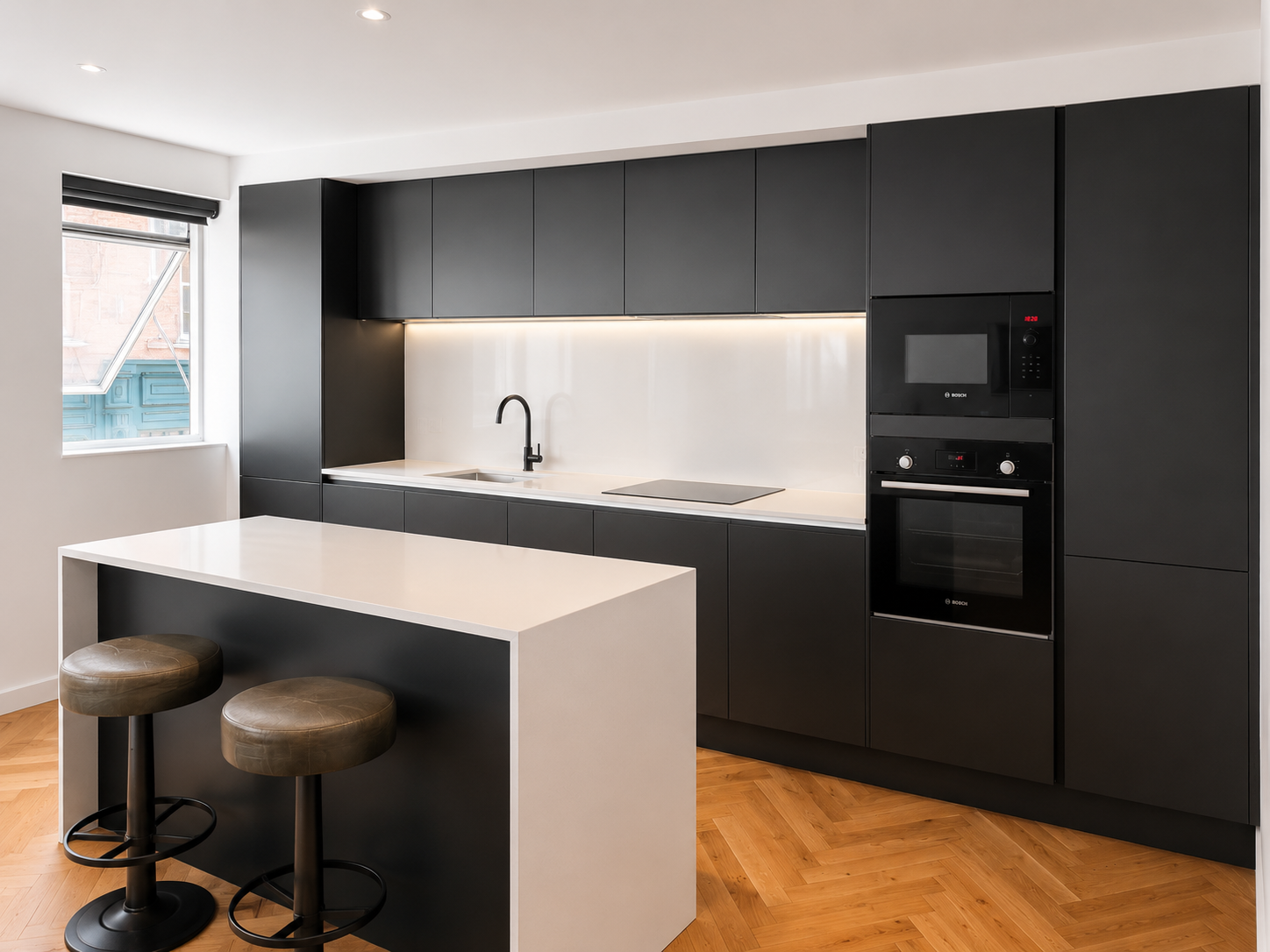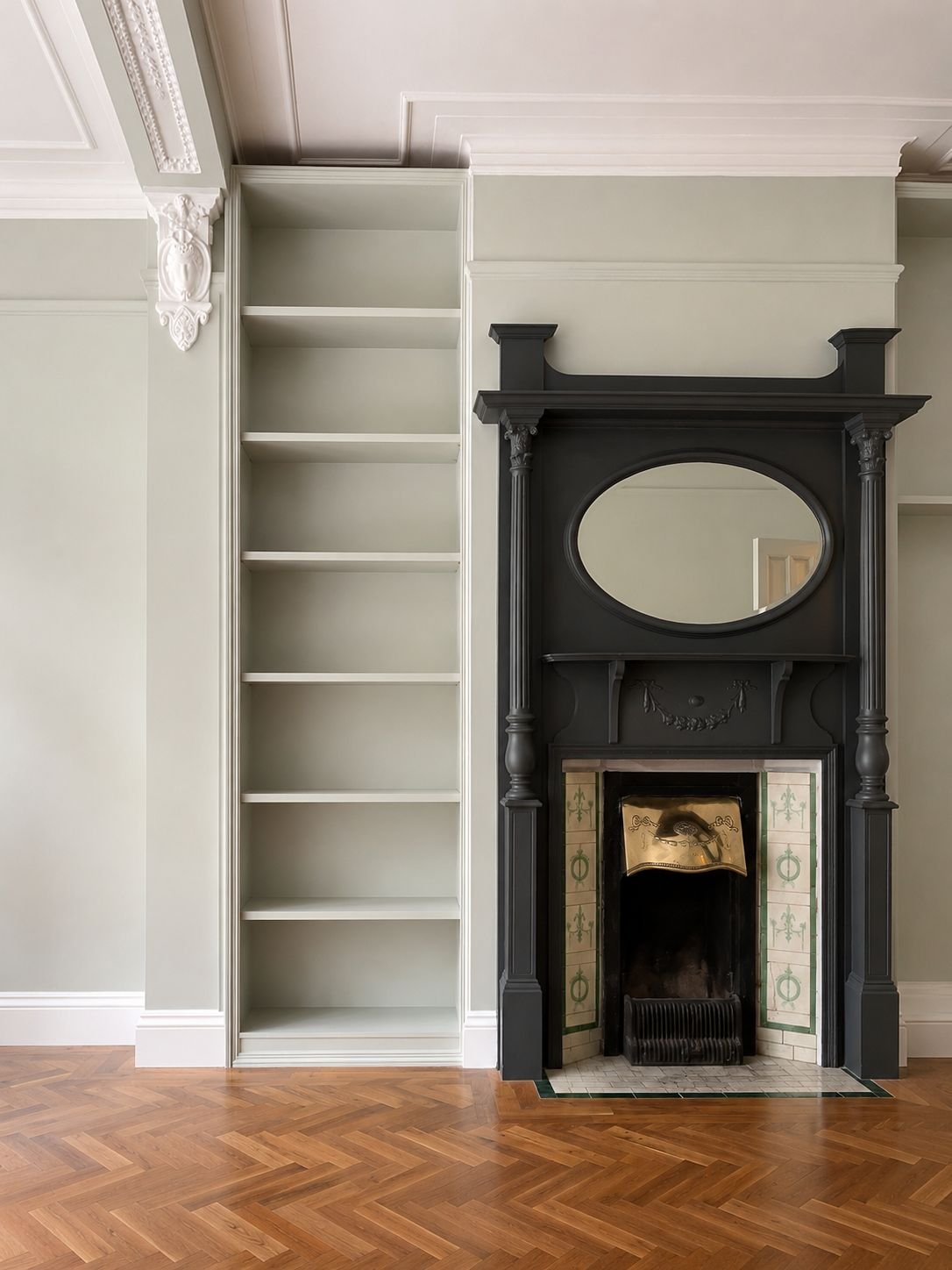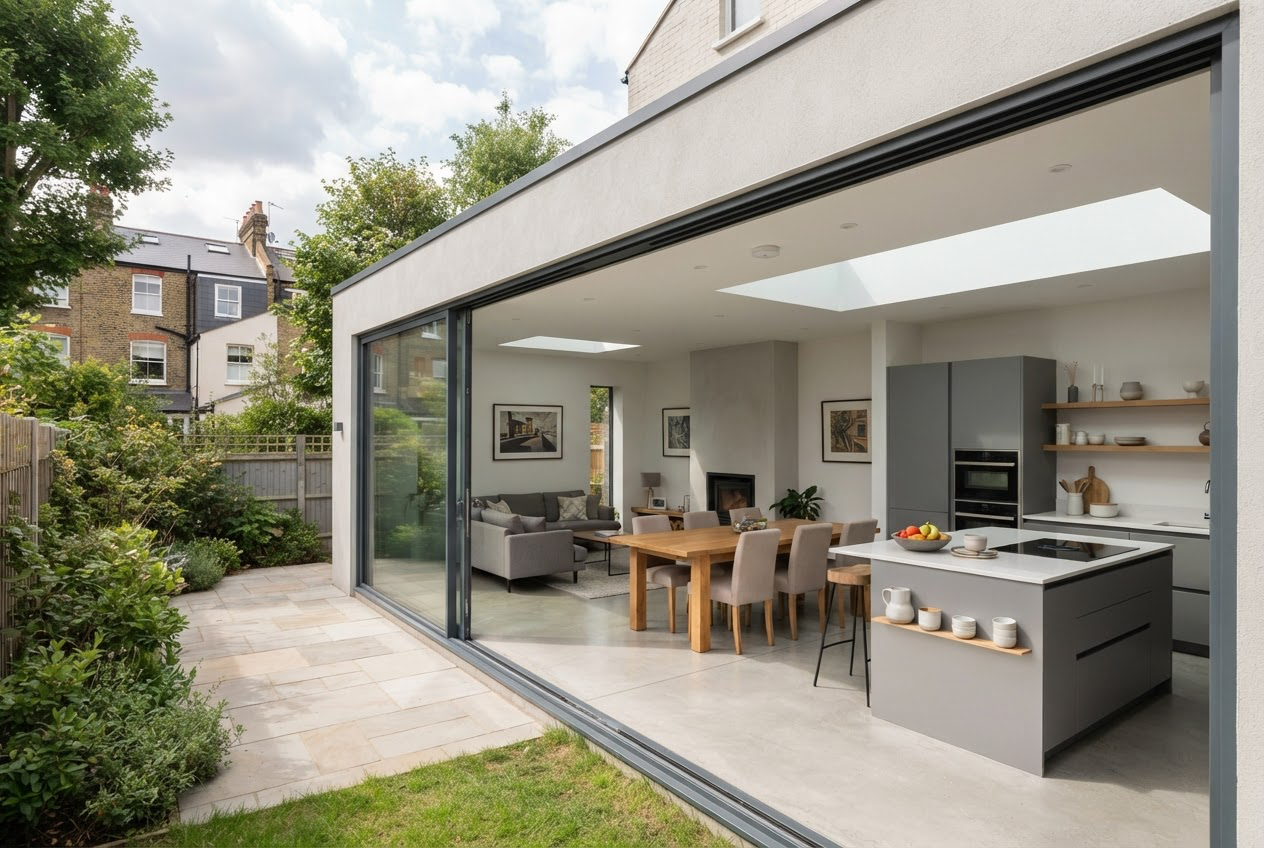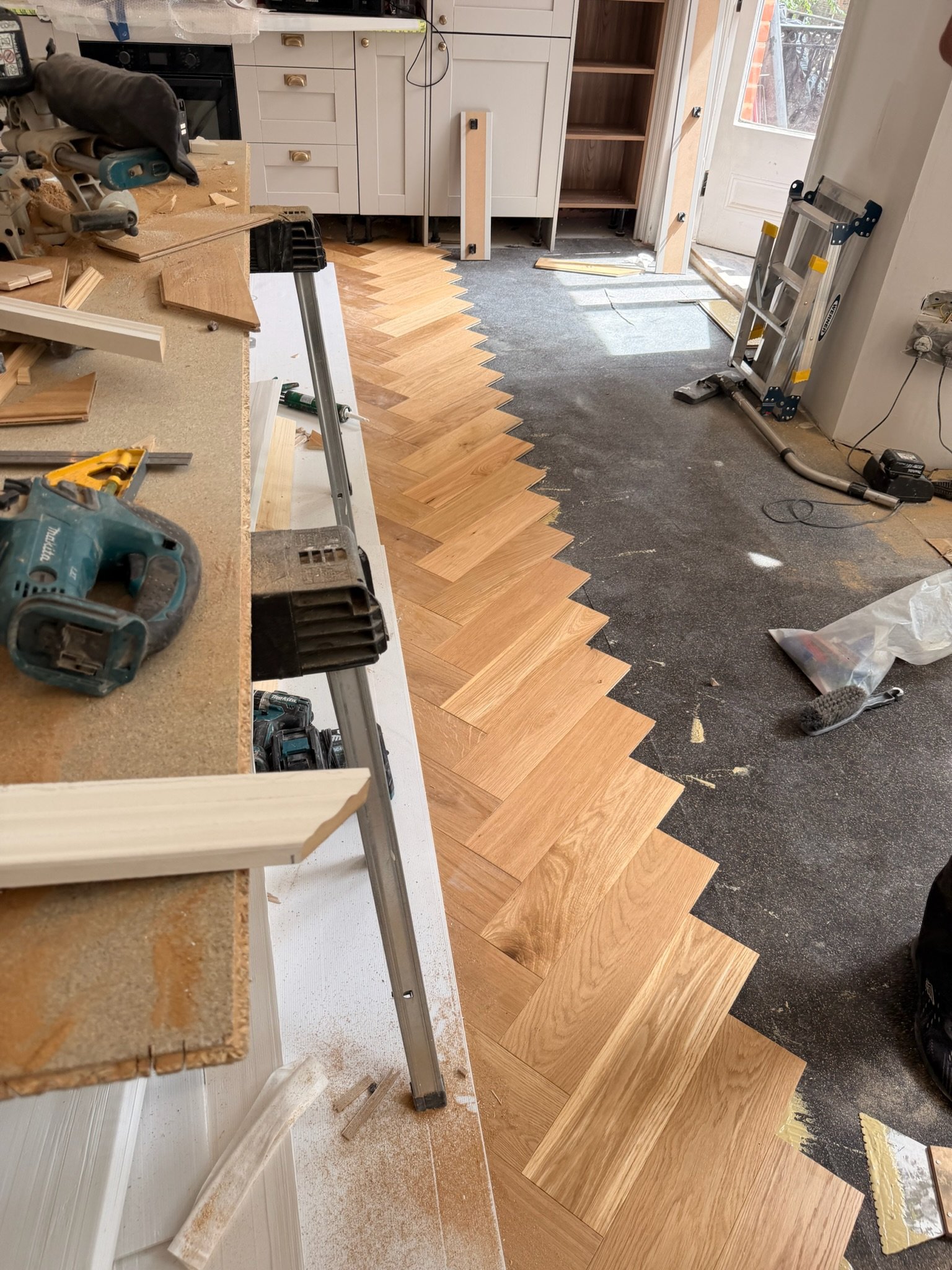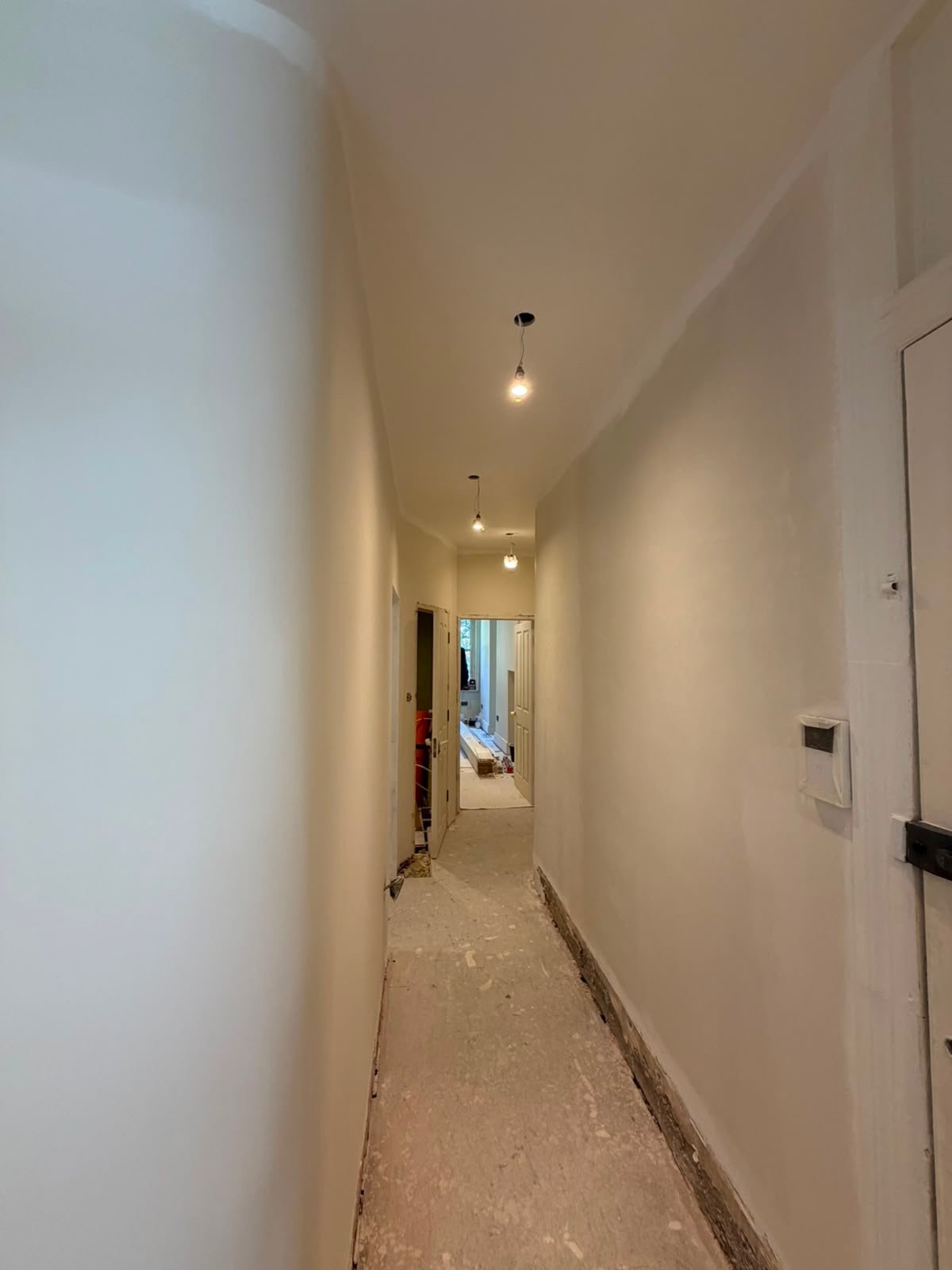

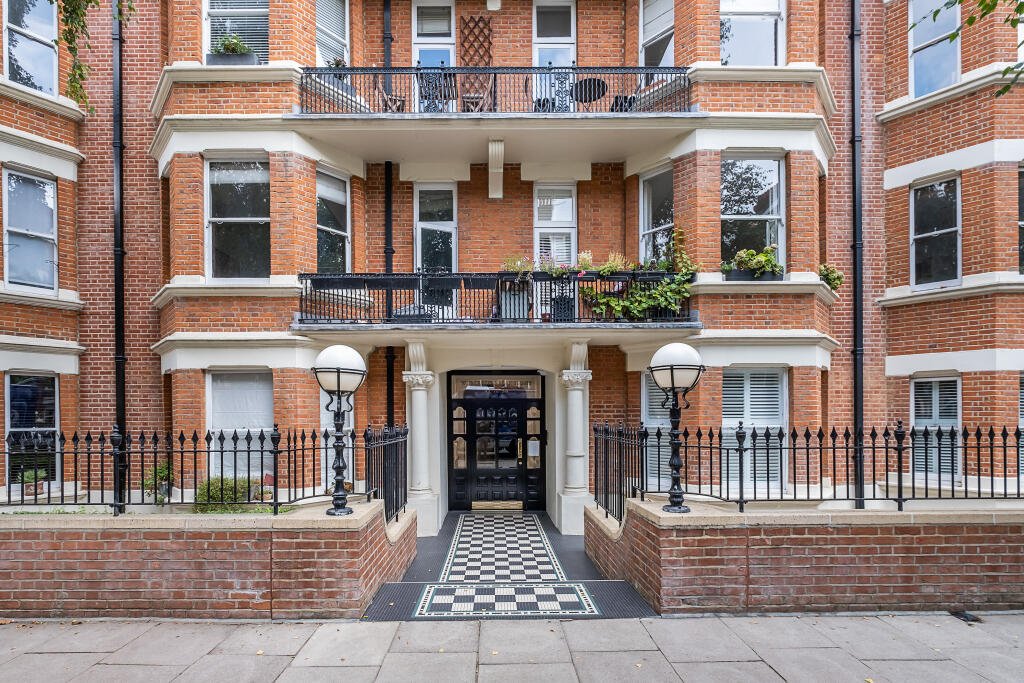
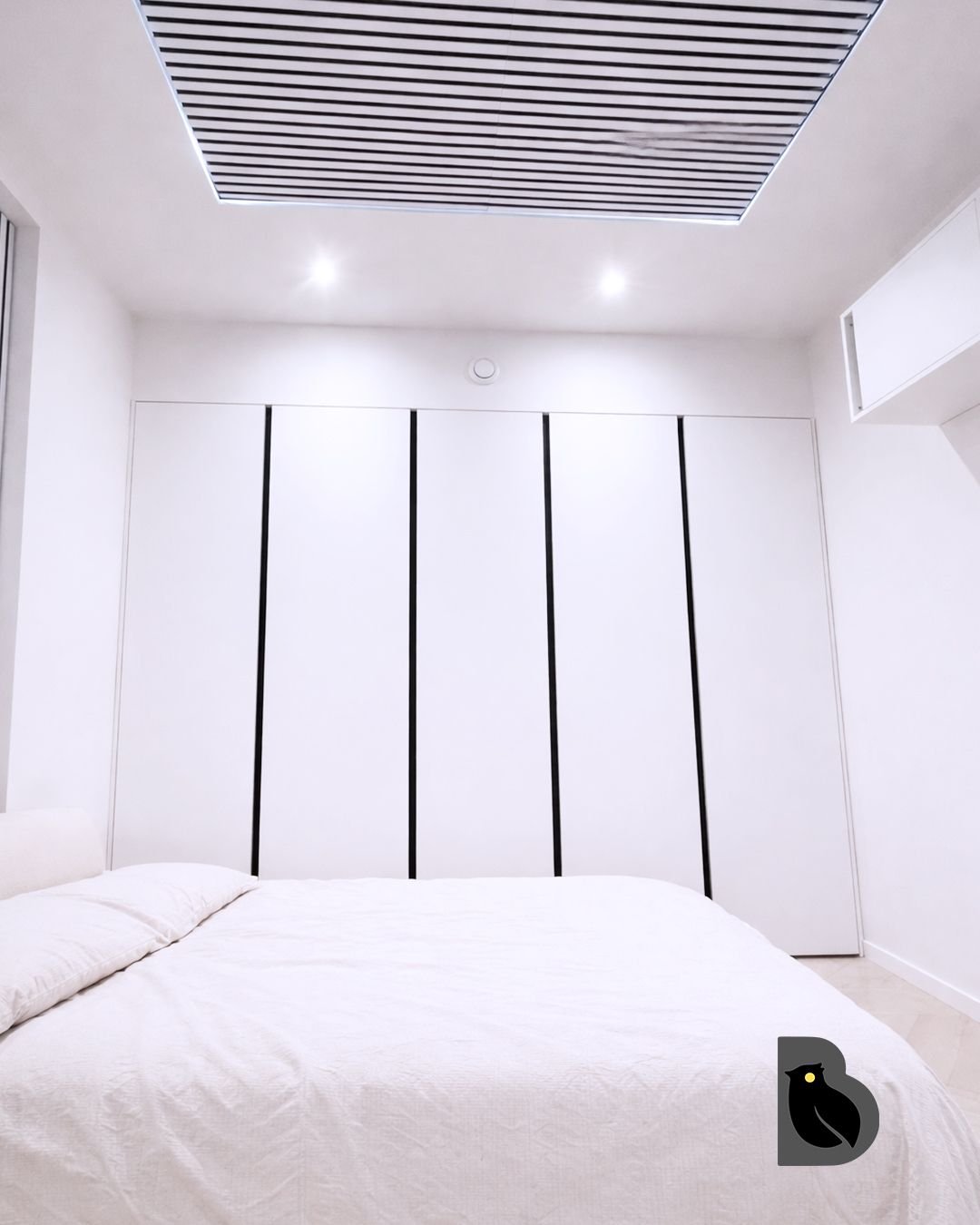


Completion focus: two Maida Vale projects
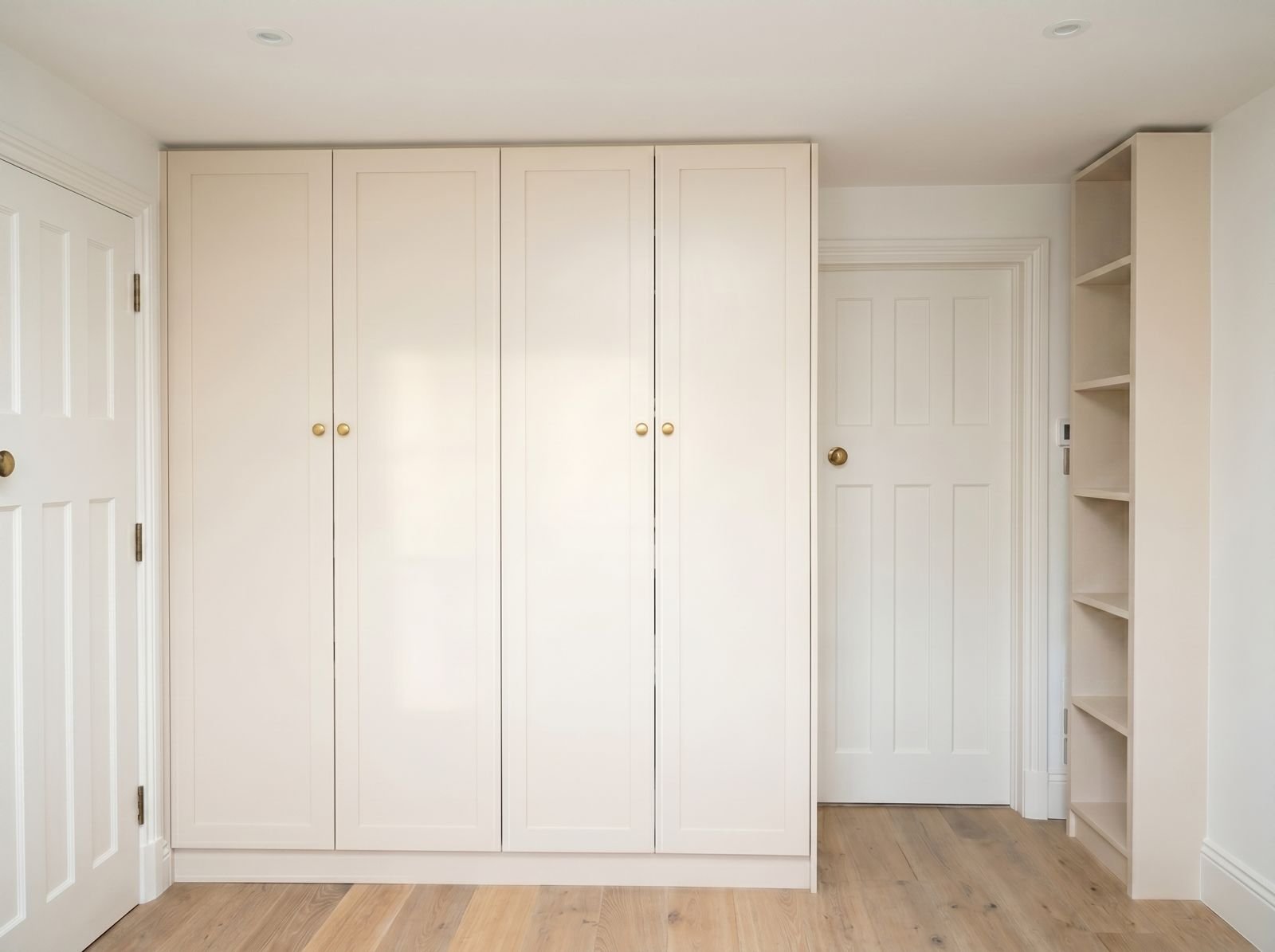
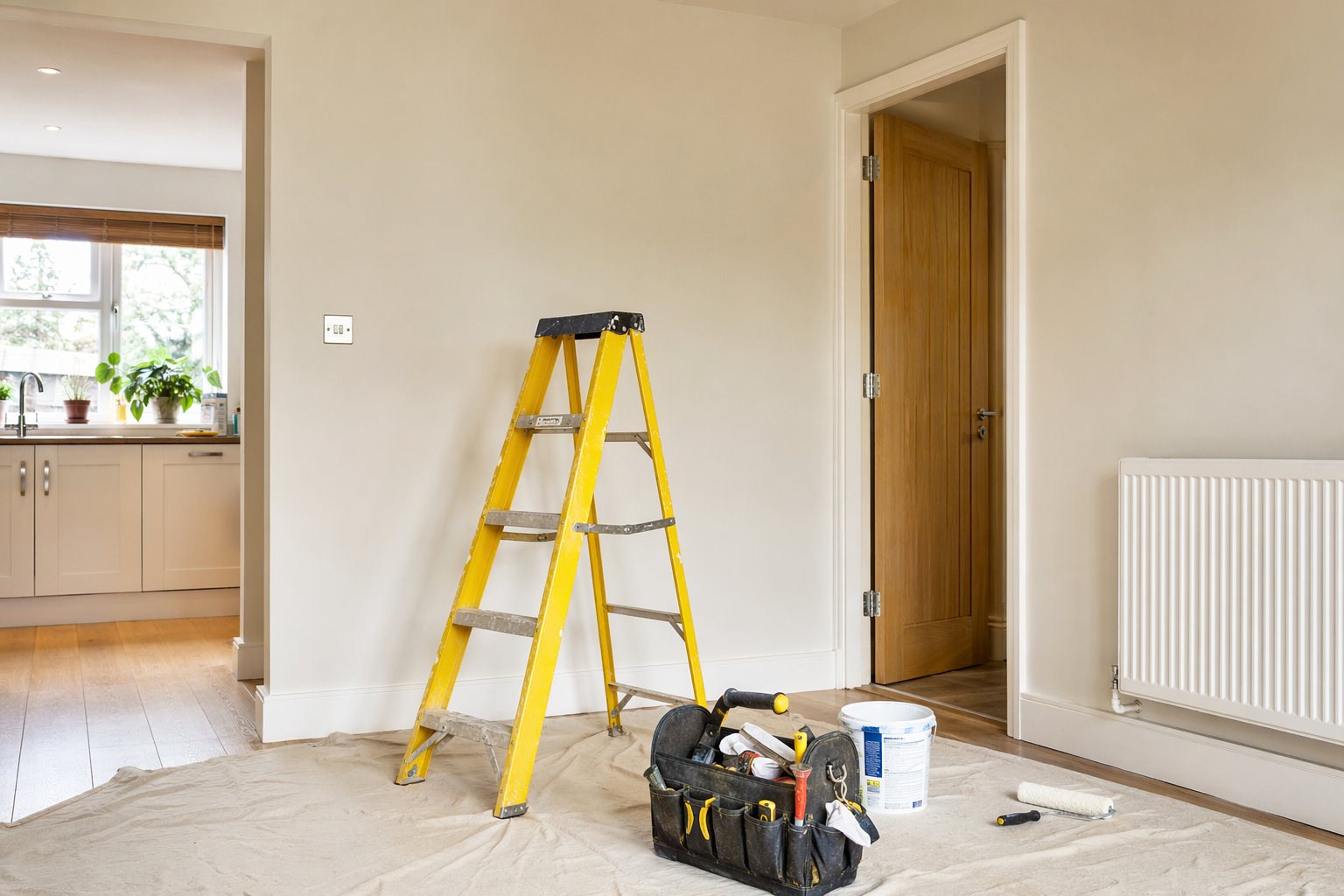
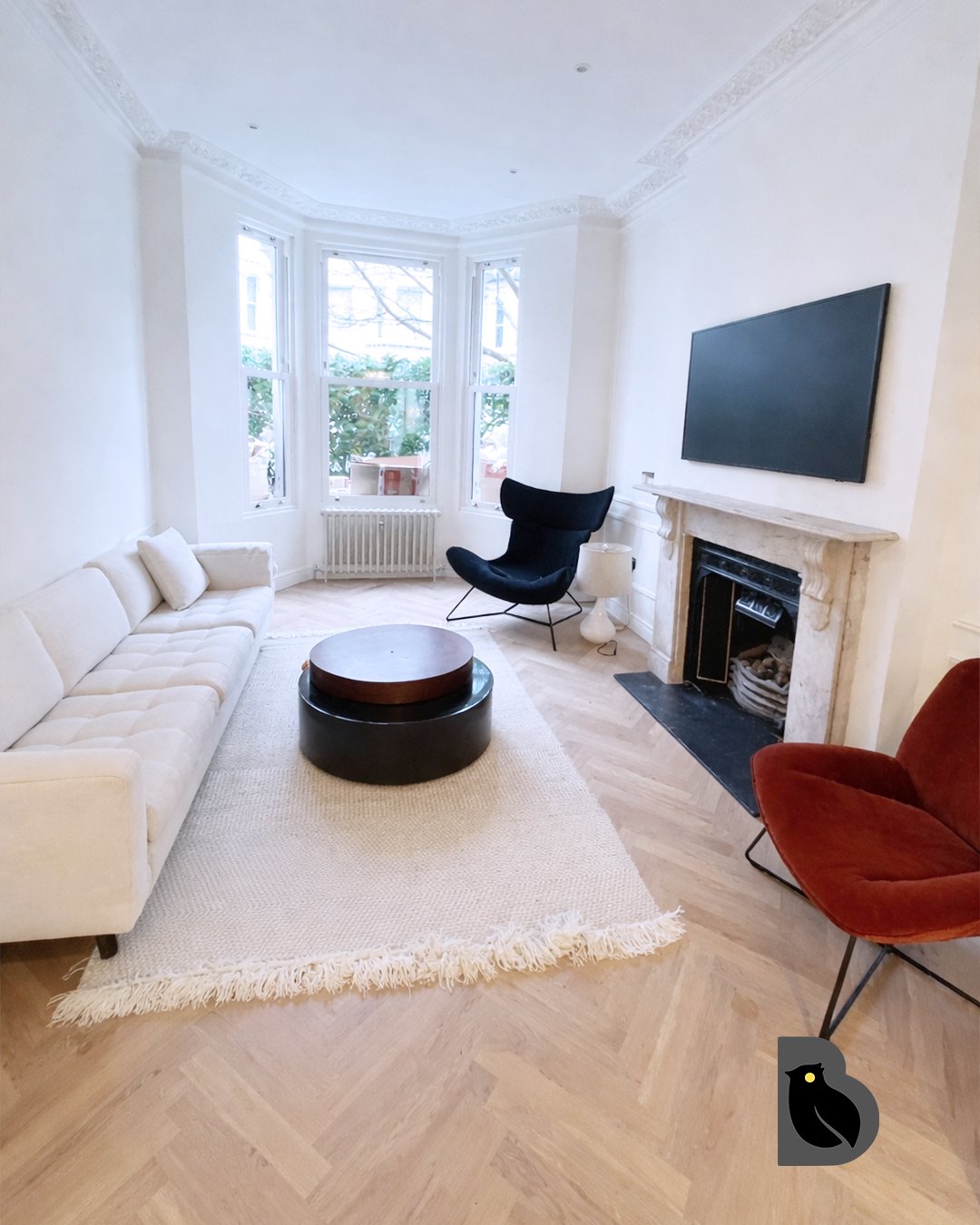
August was focused on bringing two live Maida Vale projects through their final stages, where finishing, checking, making good and close coordination matter most.
Key takeaway: completion needs proper management time. The final stage of a refurbishment often determines how the whole project is experienced by the client.

A quieter market, London holding steady
Glenigan's August 2026 Construction Index recorded UK project starts down 11% quarter-on-quarter and 29% year-on-year, with residential activity the weakest performer at -25% quarterly. London bucked the wider trend, holding resilient with 1% year-on-year growth.
What this means: a quieter market can mean better contractor availability and more competitive quotations, but cost plans should still be prepared early. Source: Glenigan Construction Index, 6 August 2026.

Approvals, drawings and construction readiness
Planning applications progressed in Islington and across Camden this August, alongside continued Building Safety Regulator activity on a higher-risk Bermondsey scheme.
The main lesson this month was the value of having drawings, specifications, structural input and cost information aligned early, so projects can move from approval into construction planning with fewer delays.

Why do funded works need several written quotations?
Funded works, such as council Disabled Facilities Grants, usually require multiple itemised written quotations before approval, so the funder can confirm value for money.
Building this into the programme early avoids delay. Quotations take time to prepare properly, and approval can't begin until they're submitted.
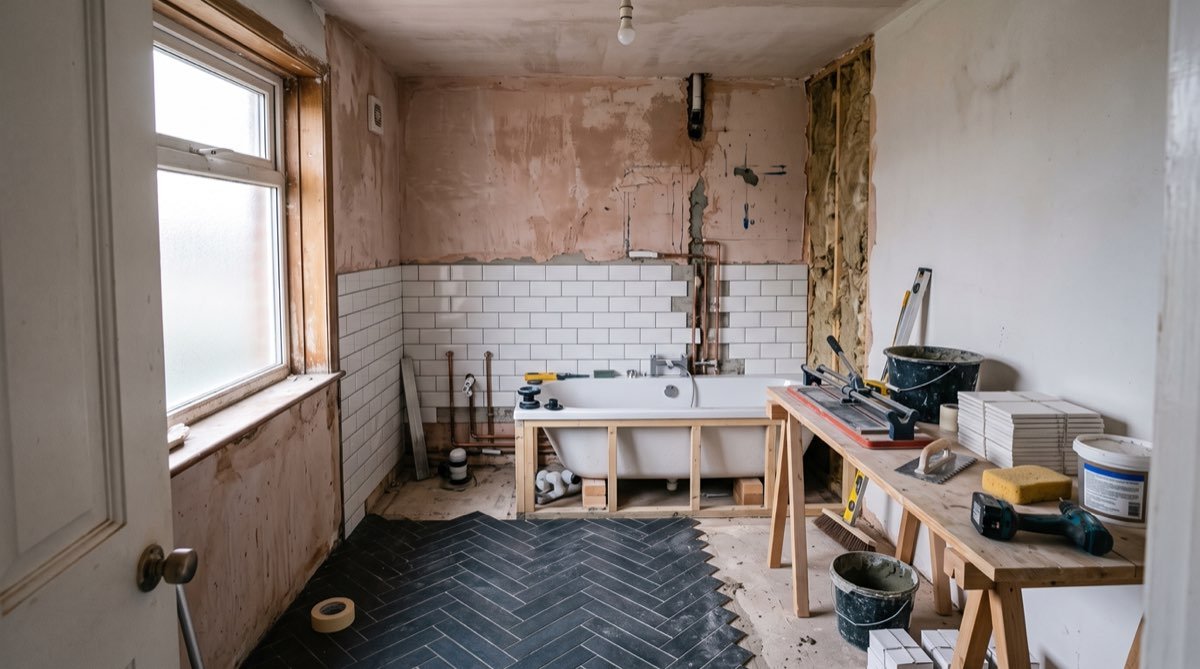
Tanking, tiling and sanitaryware lead times
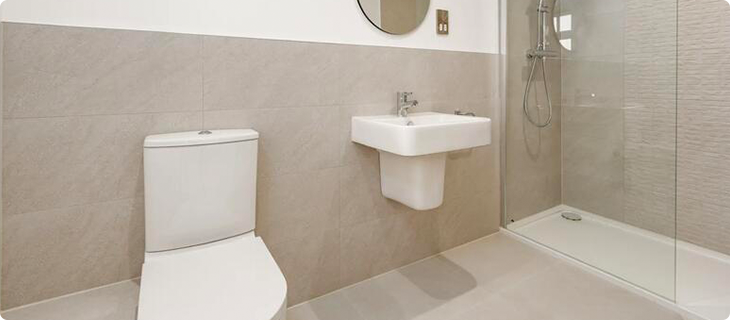
Bathroom and wet-room projects this August highlighted how tanking, tile format and sanitaryware selection affect programme as much as appearance.
Tanking must be complete and tested before tiling starts, and sanitaryware can carry lead times of several weeks, so early selection protects the programme, not just the finish.
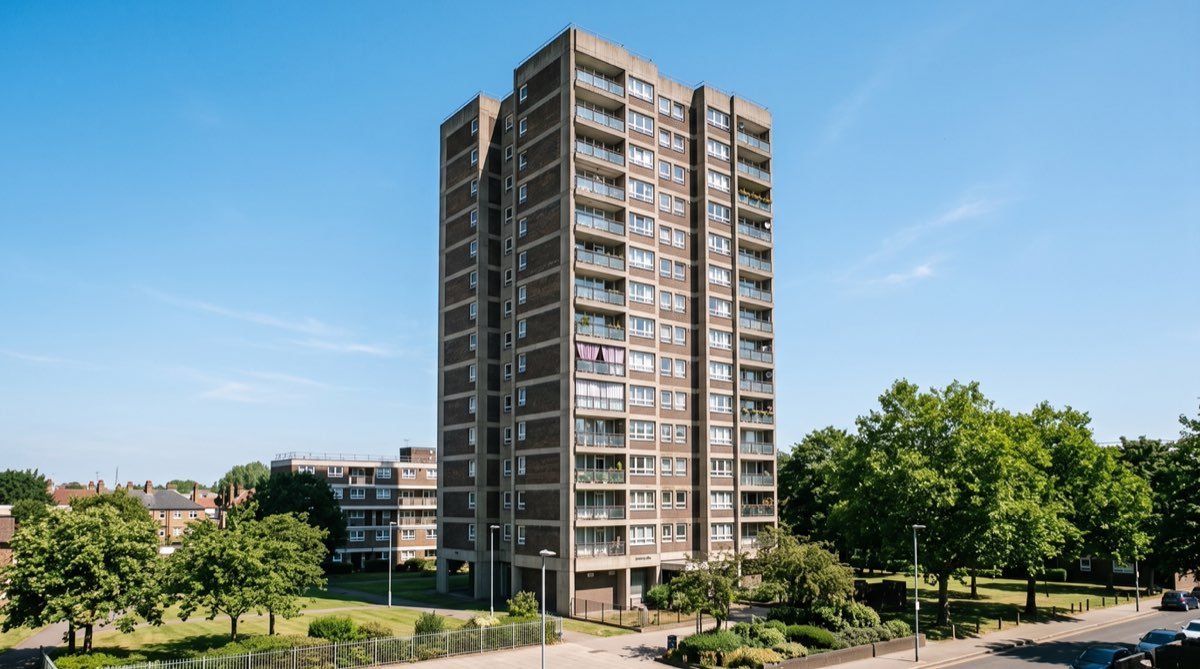
Building Safety: existing buildings now in scope
2026 has shifted Building Safety Act compliance from understanding the rules to demonstrating them. Existing higher-risk buildings, seven storeys or more, must now be registered with the Building Safety Regulator.
A named Principal Contractor, a "golden thread" of safety information, and formal approval for significant changes are now standard requirements, directly relevant to Bayocorp's Bermondsey scheme this year.